
Molecular-scale BIOPOLYMER engineering
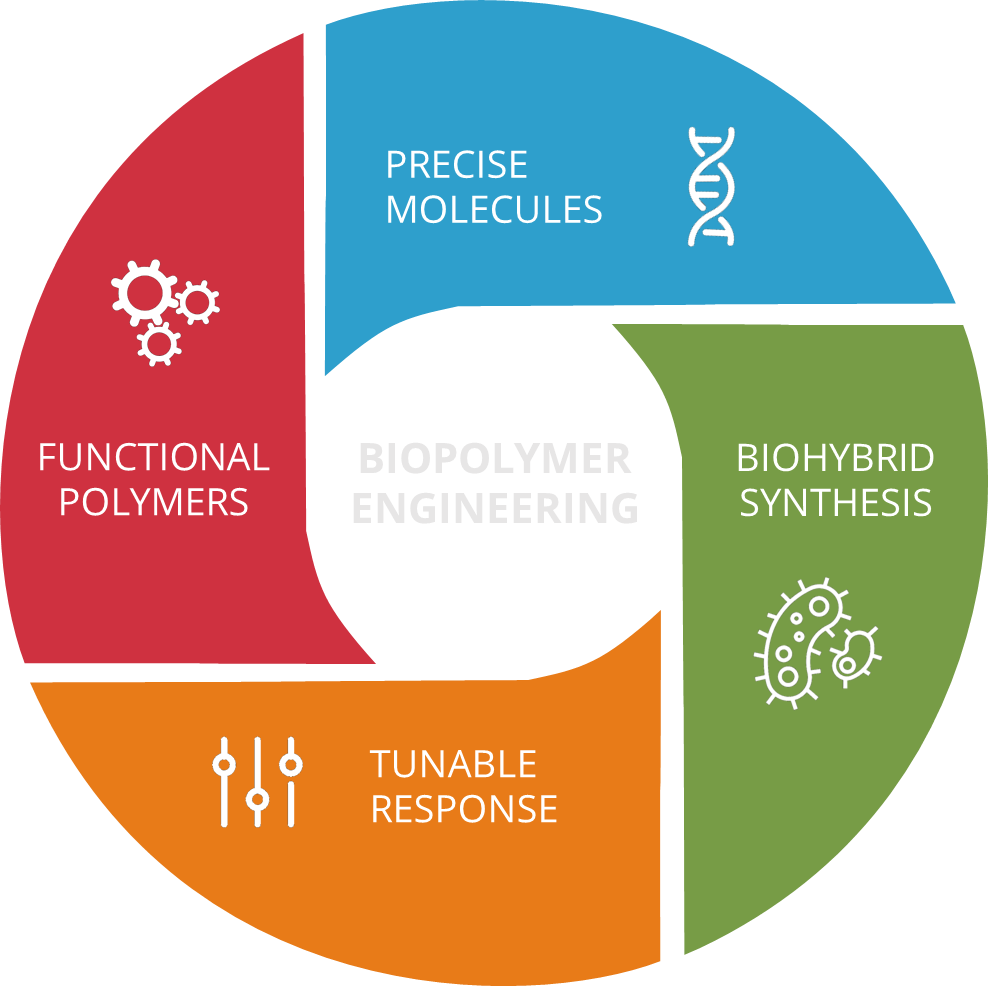
The Mai Lab engineers biopolymers, which are the building materials of life.
We aim to develop functional materials for sustainability and health, as well as enhance understanding in soft matter physics. Molecular-scale biopolymer design presents a unique opportunity to rationally design materials based on biomolecular templates. Moreover, biopolymer engineering incorporates the rich functional landscape of biological systems into responsive biomaterials.
The Mai Lab especially seeks to connect properties across multiple length scales (molecular, microscopic, macroscopic) using experimental methods. We integrate rational biomolecular design, biological and chemical synthesis, and multi-scale characterization techniques to engineer biopolymers with stimuli-responsive behavior, tunable mechanics, self-healing properties, and more. Our research efforts address systems where stimuli-responsive functions are important, with specific project areas including but not limited to:
(i) critical element recovery using ion-responsive proteins,
(ii) directed phase behavior of enzyme-responsive polypeptides, and
(iii) reprocessable polymer networks from light-responsive nanocomposites.
PREVIOUS RESEARCH

Single molecule studies of branched polymer dynamics
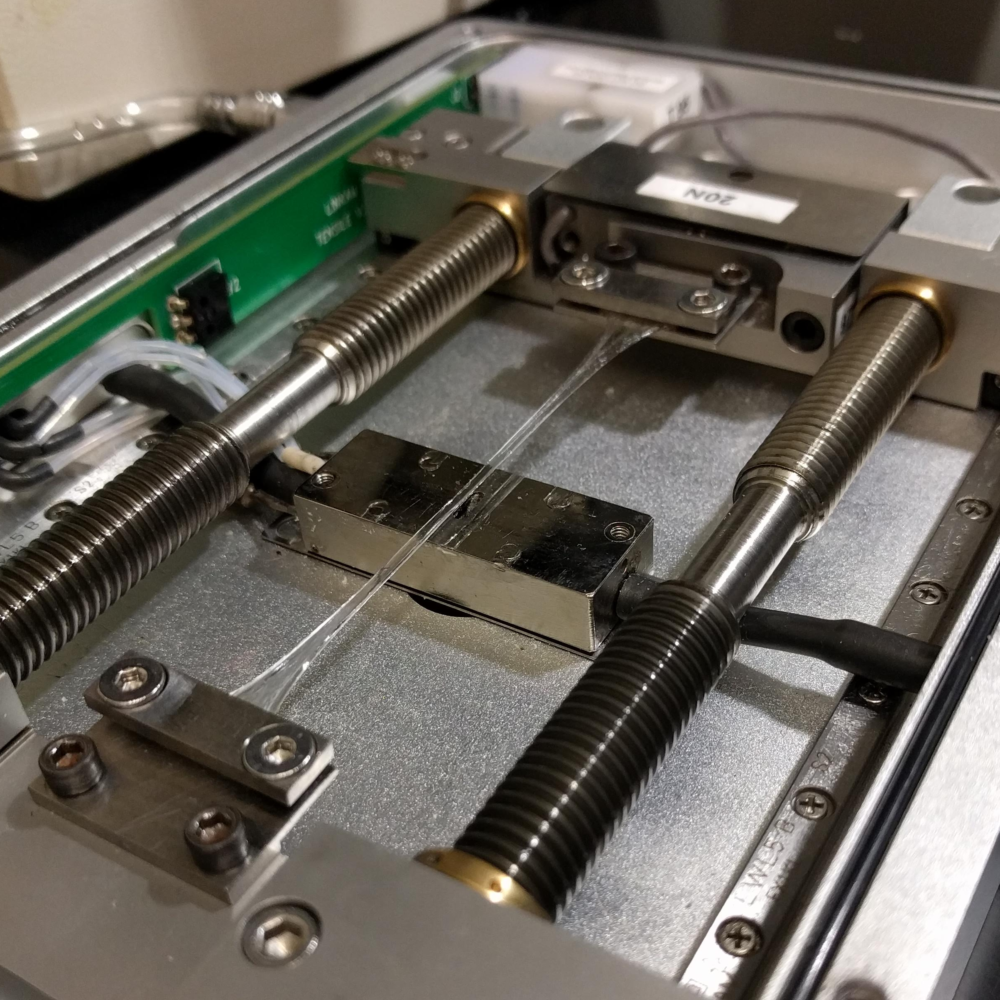
Stretchability mechanisms in polymer hydrogels
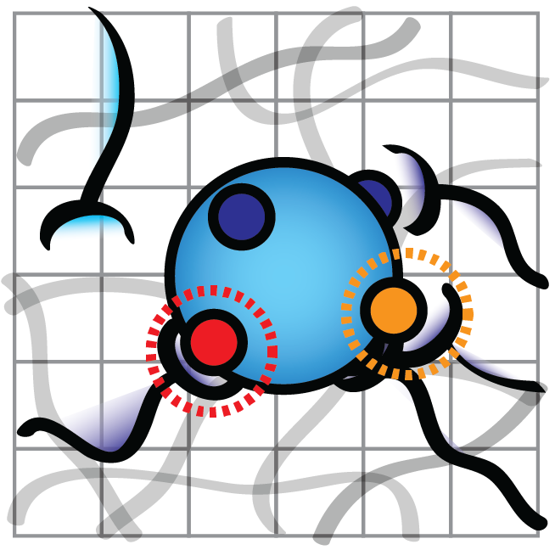
Transport model development for polymer networks
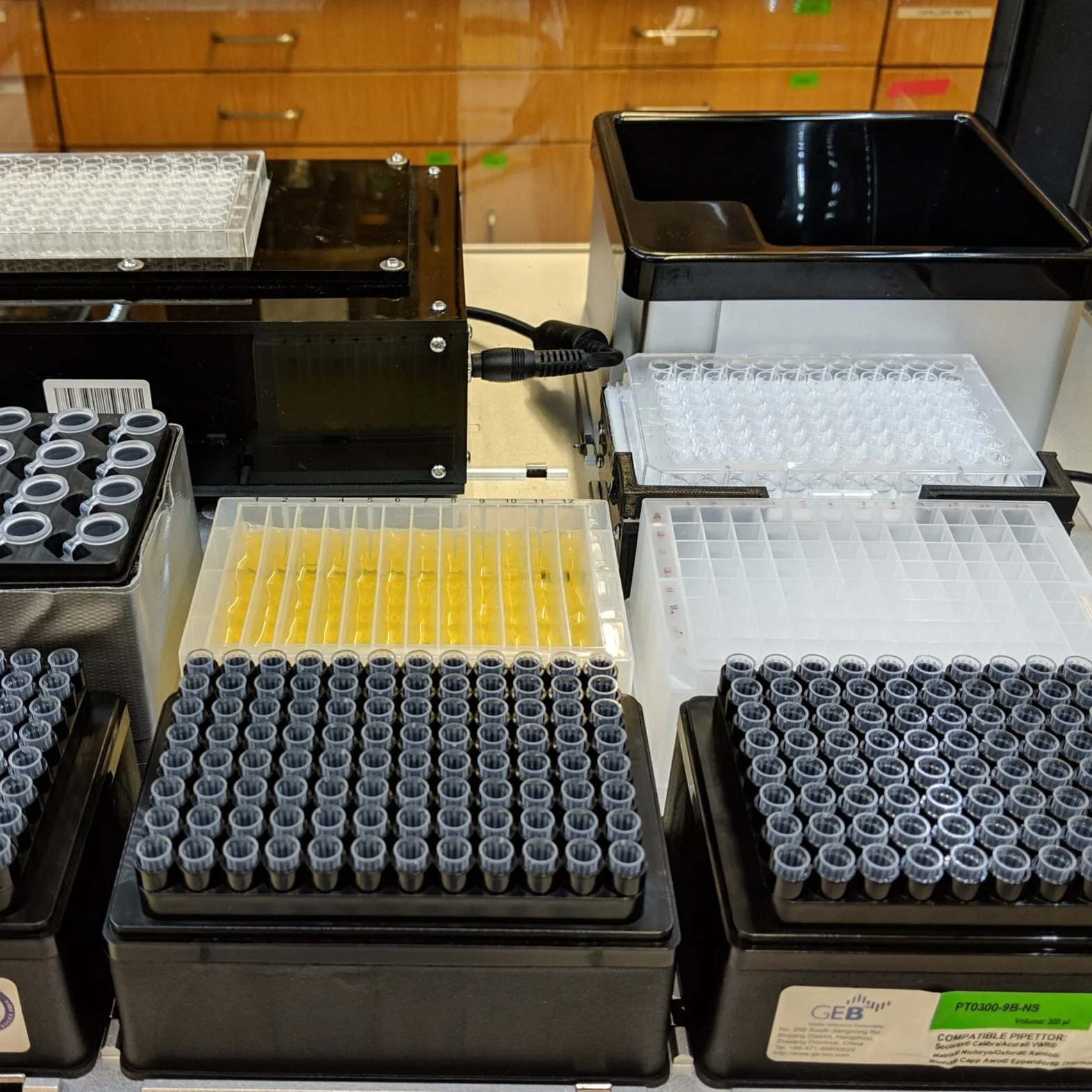
High-throughput discovery of protein-based materials
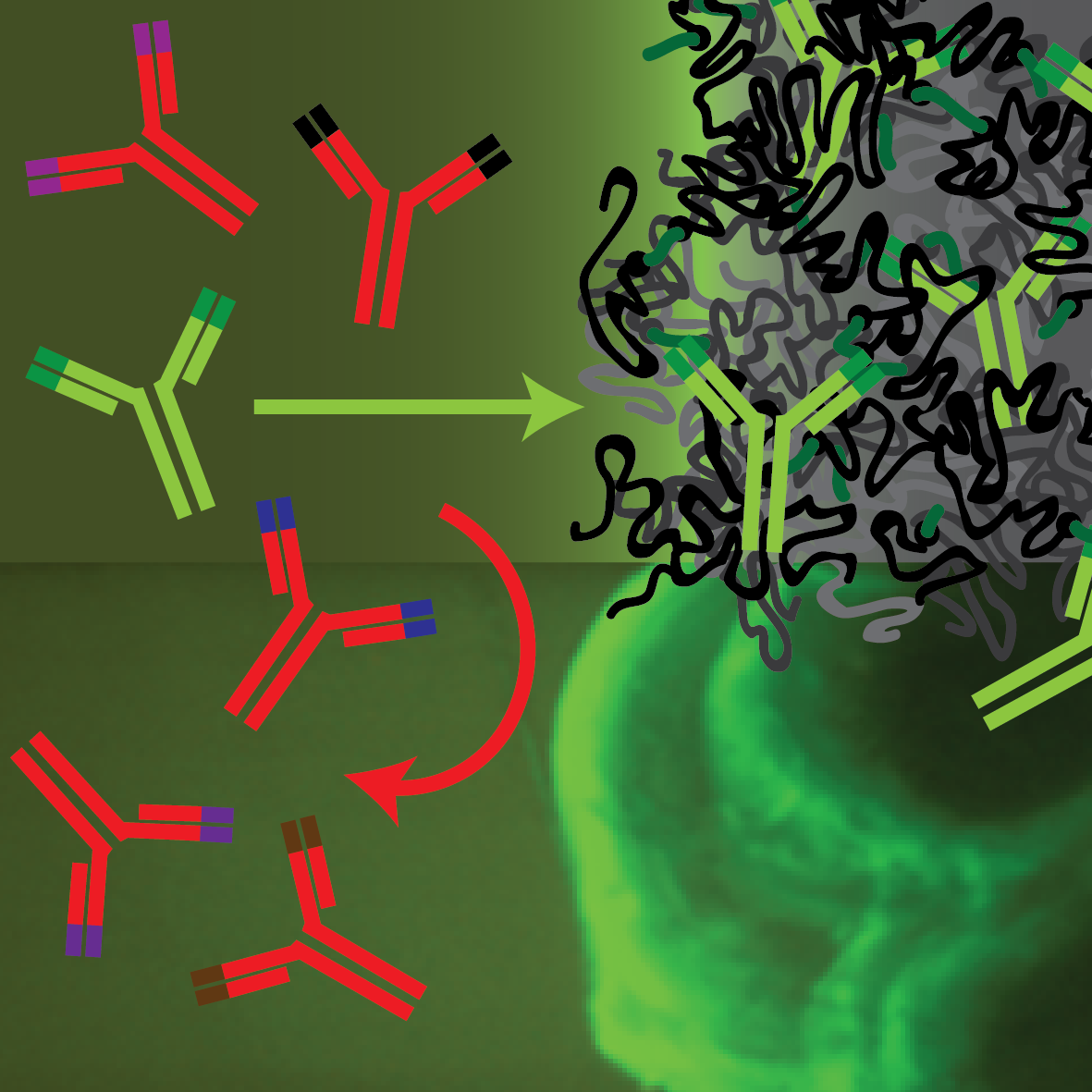
Biomolecular separations using nucleopore-inspired hydrogels